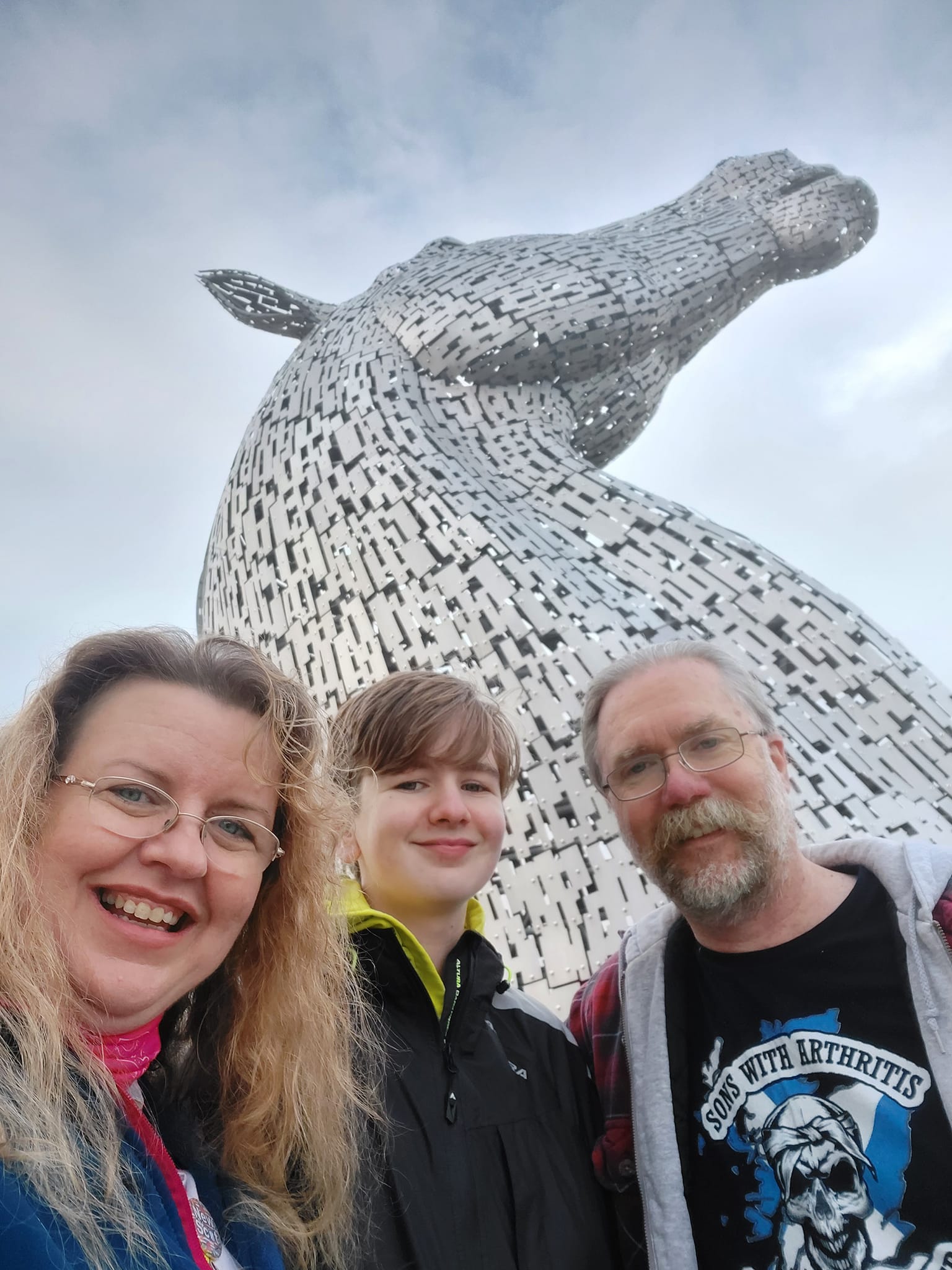
Brain family ‘finally free of the Home Office’ … after a 12-year battle
AN Australian family living in the Highlands were celebrating last night after they were finally given leave to remain in their Scotland – after a 12-year battle with the Home Office.
The story of Gregg and Kathryn Brain and their then two-year-old son Lachlan made worldwide headlines after the Home Office scrapped the post-study work visa the family arrived here with, and tried to apply the new rules retrospectively.
They settled in Dingwall, from where their determination pitted them against more belligerent immigration ministers and home secretaries than many politicians have had to face – among them James Brokenshire, Caroline Nokes, Theresa May and Amber Rudd.
Throughout their fight they won direct support from MPs Ian Blackford, Drew Hendry and their SNP colleague Kate Forbes, as well as the SNP contingents at Westminster and the Scottish Parliament.
Their case went to Holyrood in 2016, when The National arranged a meeting between the family and then First Minister Nicola Sturgeon in her private office, at which we were the only media outlet attending.
However, their arrival in Holyrood’s foyer turned into a media scrum, as Gregg recalled last night: “We said to Lachlan ‘we’ve got to say goodbye to Nicola’, then of course seven-year-old Lachlan was saying goodbye to everyone, and just rushed up to Nicola and gave her a hug.
“Somebody [a photographer] caught the first time he did it, and there was this look of surprised delight on Nicola’s face in the first photo.
“And then of course all the photographers turned around saw it happening just as he let go, and they shouted ‘do it again, do it again’.
“So the second time for the photographers it looked nice, but it was awkward. I remember finding that one photo and we saved a copy of it somewhere.”
I was the only journalist allowed to sit in on the meeting in the FM’s private office as she sympathised with how they had been treated, and told them she would do what she could to help.
Eight years later and after a surfeit of changes to immigrations rules – including many brought about by Brexit – the Brains had to sit their Life in the UK test. They took it ahead of their application for indefinite leave to remain (ILR), which was submitted in April.
Kathryn and Lachlan were told last month that they had passed the test and their ILR had been approved.
Gregg wouldn’t speculate on why his decision was delayed, but yesterday – two weeks later – he breathed a sigh of relief as he told us: “Hi Greg – that’s three of us with our Indefinite Leave to Remain applications approved. We’re now officially free of the Home Office!”
In a Facebook post, the family said it was time to celebrate, and added: “We’ll be stopping by our immigration solicitor’s office on our way back north as we got the news from Andrew that he now has all three Indefinite Leave to Remain approvals through from the Home Office.”
Lachlan has grown up in Scotland and is now a teenaged pupil at Dingwall Academy, who is fluent in Gaelic, plays clarsach and has performed at the Mod.
After arriving in Scotland as an infant, he now towers over Kathryn, and at around 6ft, is as tall as his father.
Gregg is highly critical of the whole UK immigration system, including the Life in the UK test, which he says is self-defeating: “They actually sell you a textbook to study from. It’s not a test of your cultural assimilation at all; it’s just a measure of your ability to produce a result in accordance with western education norms.
“In other words, can you memorise information, and regurgitate it on demand?
“And having passed, they don’t even tell you what your score was, let alone which question/s you might have got wrong, so you can improve your cultural knowledge.
‘It’s as though they don’t even care about improving your cultural assimilation, but just want to place an extra obstacle in your path. Oh wait …”
And he says he was always wary about the outcome of his application: “There were legal reasons to consider that the Home Office could come up with a logical legal argument for a refusal.
“It was it was absolutely watertight, but there were logical ways they could come up with a refusal. One of the things that we also considered is that the person who is looking at our case isn’t just considering a legal application. There is a political dimension to it as well.
“And so we’re putting in this application in the fervent hope that everyone can avoid the international PR disaster that occurred in 2016 [their meeting with Nicola Sturgeon] and hope that they were thinking much the same thing.
“But their sensitivity to accountability seems to have increased dramatically over the last few years.”
When they arrived in Scotland in 2011 after 27 hours on a plane with a two-and-a-half year old child, they did not notice that while Kathryn’s and Lachlan’s passports were stamped, while Gregg’s was not.
 That came back to haunt him during the years of waiting, when he says he became convinced he was being targeted by the Home Office as they were returning to Scotland after travelling elsewhere.
In April 2012 they were in Venice and had no visa trouble on their return. However, the following month they went to Australia to catch up with some relatives, and when they returned, Gregg was detained after being asked why he did not come into the UK with his family the previous year.
“I told them I had, but when we looked at my passport there was no stamp. I told them I came in 2011 and ‘if you guys didn’t do that, that’s an internal administrative issue for you’ … but of course that’s always visited upon the applicant. They came back 20 minutes later and said ‘you’re fine, we found you on the passenger manifest’.”
They refused to retroactively stamp his passport with the proper entry date, which Gregg says has resulted in him having to provide extra documentation – utility bills, leases and so on – every time he returns to Scotland.
“I suspect they’re finding themselves, in order to chase boats, having to appeal to a demographic that’s further and further out along the edge of the bell curve.”
Blackford told The National he was delighted that the Brains’ 12-year battle was over, and added: “But my goodness, what the family have had to endure over that period has been quite extraordinary – a lot of pain, a lot of tears, a lot of heartache along the way.
“And let’s not forget that the root of this was them arriving here with the promise of being able to benefit from the post study work visa and that was taken away from them whilst they were in transit to Scotland.
“There’s been a breach of faith and trust that’s been shown to them right at the beginning of this process, and there are times I have to admit that I thought the family would be looking at being deported.
“But I think the fact that so many people rallied round, through the resilience of all of them, that at the end they’ve been able to follow their dreams, their hopes and aspirations, and build a life for all of them in Scotland.
“They’re an integral part of our community, they add to Scotland’s story and I’m delighted that for them, at long last, the journey has reached its end.”
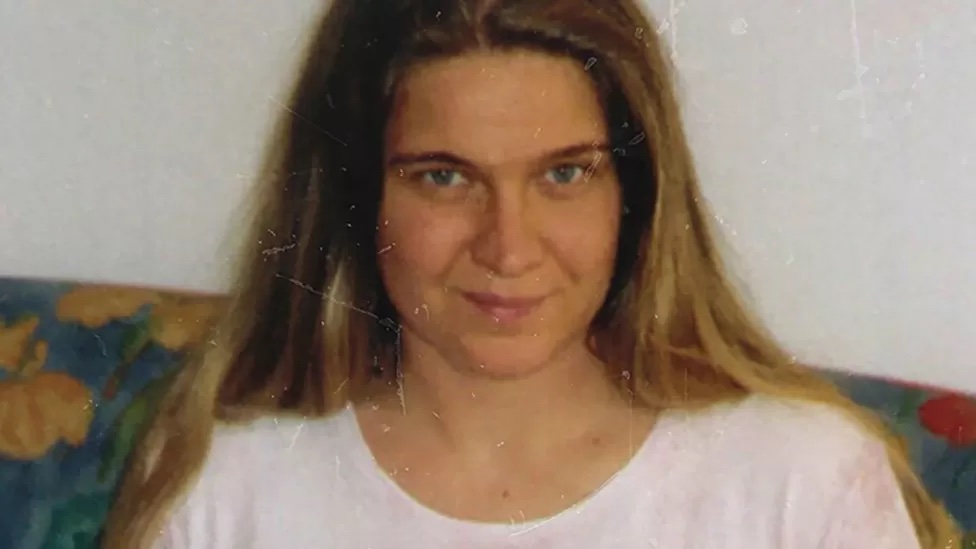
Documentary should shed further light on Annie’s mysterious death
I WAS glad to see Rogan Productions’ documentary for the BBC on the strange case of Anne Borjesson in the media this week having spoken to the team after writing about the death of the young Swede during my years at The National.
The 30-year-old worked in Edinburgh, spoke six languages and was described by friends as “chatty and lively”.
In December 2005, she told friends and family she was planning to return to Sweden for the festive season. On Saturday, December 3, she left her Edinburgh flat – for which she had paid rent in advance – with a travel bag and her passport, books to be returned to a library in Sweden, and had even booked a hair appointment in her home country.
CCTV at Prestwick Airport picked up Annie entering the terminal, but five minutes later she left the same way she came.
 Her body was found the next day, face down on Prestwick beach. Police maintained her death was suicide or an accident, but family and friends have over the years demanded a further investigation.
My notes from conversations I had a decade ago with police, Maria Jansson – Annie’s close friend – a former justice secretary at Holyrood, are unfortunately long gone, but I will always remember the varying attitudes of those interviewees.
Maria was adamant that Annie would not have taken her own life – she had everything to live for.
I remember a retired, senior police officer of my acquaintance poo-pooing the idea that her death was anything other than a suicide, as did the then justice secretary.
I spoke to the makers of a Sky podcast series and expressed my doubts that those in authority were too hasty in their judgement.
One well-known Scots lawyer agreed with me during a conversation that all did not appear to be right with the case.
In 2019, I wrote:
POLICE did not apply to typical crime scene procedures when they investigated the controversial death of a Swedish woman in Scotland 14 years ago, according to a prominent Home Office pathologist.
In 2015, The National exclusively tried to shed light on the death of Annie Börjesson on Prestwick beach on 2005 after lawyer Aamer Anwar called for the cold case to be reopened. We later received a deeply moving letter of thanks from her family and friends.
Now, new claims have emerged in the final episode of a six-part Sky News podcast documentary – What happened to Annie? – which investigates the bizarre circumstances surrounding the 30-year-old’s death.
The documentary, released today, has led to a commitment from the Swedish Government to consider granting access to files related to the case.
In a statement to Sky News, Police Scotland Detective Sergeant Paul Livingstone, from the Specialist Crime Division, said the case was fully investigated at the time and had since been subject to review.
From what I’ve read about the latest documentary, it appears to raise even more questions about Annie’s death and I’m looking forward to watching it.
I hope it leads to the investigation being reopened and at the very least a fatal accident inquiry – and answers some of her family’s questions.
That is the very least they deserve.

Why do the SNP refuse to engage with the Yes movement?

ISN’T is strange that when you express a view on Scottish independence that doesn’t adhere to the SNP line (whatever it may be) that some diehard party members immediately launch a torrent of criticism, accusing you of being disloyal, not a ‘true’ indy supporter, a troll, or worse?
I’d have thought that after recent events in the party (on which I needn’t go into detail) they’d be slightly more circumspect and willing to welcome people into what should a broad church.
But no – if you’re not an SNP supporter you’re an outcast, which is a great shame.
I was working at the post-referendum SNP conference in Perth and had a lengthy chat with the late Gordon Wilson, my former MP and the party leader from 1979-1990.
During our conversation Gordon reflected on the huge upsurge in SNP membership following the indyref, but warned that party leaders would have to manage their expectations, as well as those of the wider body of Yes supporters who were not SNP members.
The party seemed to agree – at least off the record – but their statements proved to be weasel words. They never intended to give voice to people who were not members; they didn’t (still don’t) want to encourage debate on the way forward for an indy Scotland; and they want (and still do) govern by diktat.
In the years since, nothing has changed in the party. At the weekend, while Humza Yousaf was extolling the virtues of his latest plan for indy – that an SNP majority of Scottish MPs at the next general election would be a mandate for it – over 5000 Yes supporters walked through the streets of Stirling to Bannockburn in a call for action now.
Yousaf’s pledge is no different from any of the previous electoral mandates the SNP have had and have squandered.
To have any chance of living up to what their party stands for (Scottish independence) they must embrace the entire Yes movement – and yes that includes Alba, however distasteful the SNP hierarchy view the prospect.
With Labour expected to have a decent shot at re-establishing at least some of their previous standing in Scotland, the alternative to real action from the SNP will be electoral oblivion.
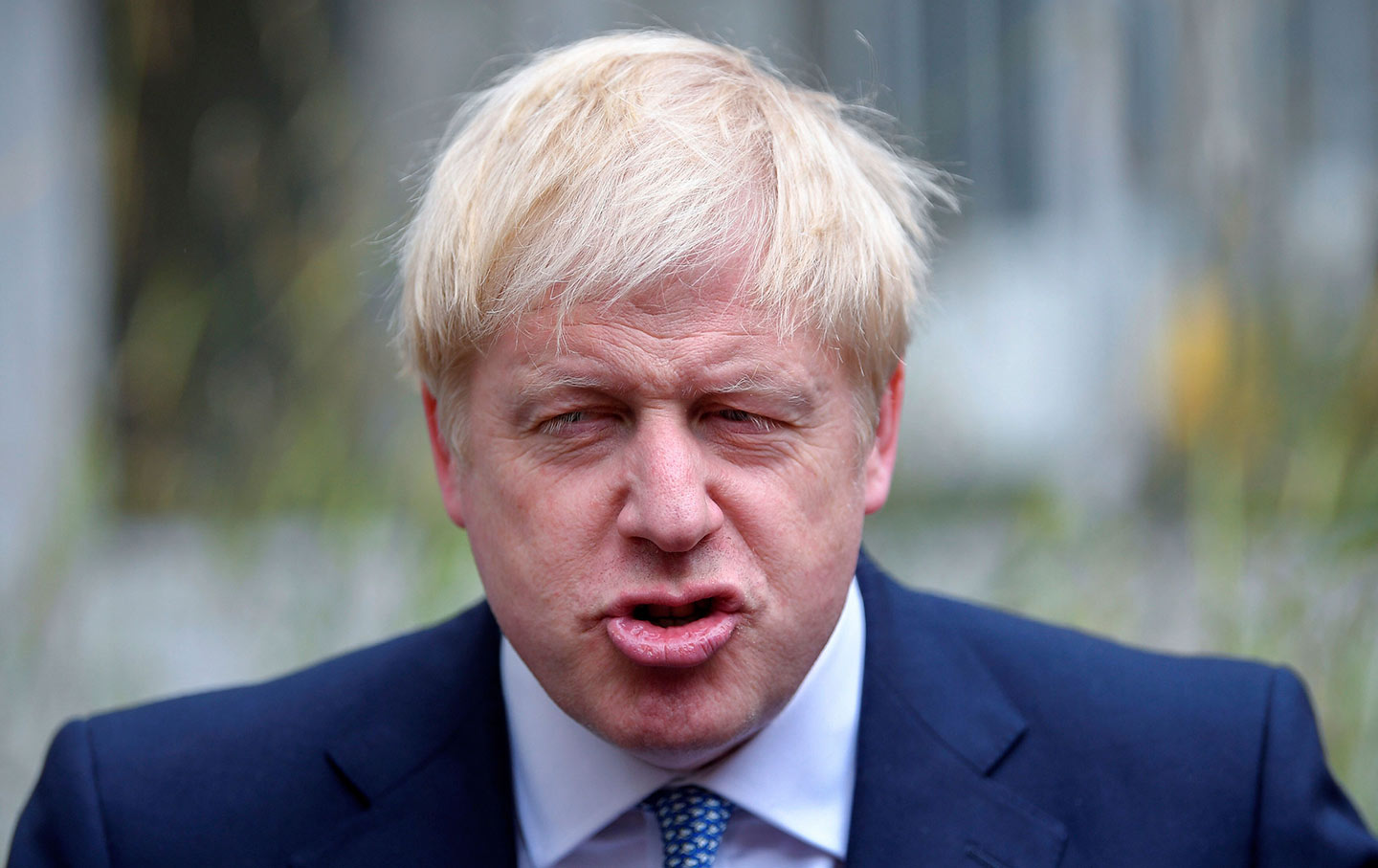
Why should we pay this clown’s £245,000 Partygate bill?

SO, the weasel’s legal costs for the Partygate probe are around £245,000 which Boris Johnson expects taxpayers to pay, while the inquiry itself comes in at £460,000 – and for what?
To prove to a committee of MPs that this apology for a human being (and PM) is a liar?
Everybody and their auntie knows as much, but still we have to go through this expensive charade.
In case you’ve not seen the report, here’s a snippet from the end of the summary:
“17. The question which the House asked the Committee is whether the House had been misled by Mr Johnson and, if so, whether that conduct amounted to contempt. It is for the House to decide whether it agrees with the Committee. The House as a whole makes that decision. Motions arising from reports from this Committee are debatable and amendable. The Committee had provisionally concluded that Mr Johnson deliberately misled the House and should be sanctioned for it by being suspended for a period that would trigger the provisions of the Recall of MPs Act 2015. In light of Mr Johnson’s conduct in committing a further contempt on 9 June 2023, the Committee now considers that if Mr Johnson were still a Member he should be suspended from the service of the House for 90 days for repeated contempts and for seeking to undermine the parliamentary process, by:
1a) Deliberately misleading the House
1b) Deliberately misleading the Committee
1c) Breaching confidence
1d) Impugning the Committee and thereby undermining the democratic process of the House
1e) Being complicit in the campaign of abuse and attempted intimidation of the Committee.
We recommend that he should not be entitled to a former Member’s pass.”
The committee made its intentions clear, but Johnson, ever the escape artist, quit as an MP before he could be removed.
And he expects us to pay the bill for his abhorrent behaviour?
Millions of people behaved sensibly during the pandemic, abiding by all the restrictions on social gatherings; and tens of thousands could only visit dying relatives and see them through the glass of hospital or care home doors.
To see him smirking his way through the subsequent inquiry and all the questions about his behaviour as if the rules didn’t apply to him made my blood boil.
The government claimed there’s a precedent for supporting ex-minister with legal representation, but has anybody seen it?
Can anybody find it?
The SNP, LibDems and Labour all railed against Johnson having his legal bill paid, and we can only hope Westminster authorities eventually change their minds and admit there is no precedent and force the buffoon to pay for his own mess.
On another subject entirely, I am pleased that Sarah Bradley and her partner Youssef Mikhaiel have had something of a reprieve after he was locked up in Dungavel immigration detention centre and told he was being deported.
The couple are planning to marry this year, but the Home Office doesn’t recognise their relationship because they are not co-habiting – which goes against their religious beliefs.
Youssef – and aeronautical engineering graduate from Glasgow University – suffers from a rare condition Fabry Disease, and there is no treatment available for it in his home country Egypt.
His lawyer Usman Aslam managed to stop his removal after taking the case to the Court of Session, which will decide if the Home Office was right to try to remove him while there was an application to remain here pending.
Have you ever known the Home Office to be right about anything?
I thought not.
Cruel, toxic and inhumane – will the UK Home Office ever change?
The Home Office is cruel, increasingly toxic and inhumane, but will it ever change?
Sarah Bradley took to the digital world yesterday to issue a plea for help after her partner – who was being held in the Dungavel Immigration Removal Centre in South Lanarkshire – was told he was being taken to Manchester to be deported.
Youssef Mikhaiel is a University of Glasgow aeronautical engineering graduate who was diagnosed with a rare medical condition – Fabry disease – in 2020, and was about to present medical evidence to stay here on humanitarian grounds when he was detained.
This morning, Sarah had a call from him saying he was being taken to Manchester for a flight back to Egypt.
Fabry disease starts in childhood with a build-up of a type of fat in the body’s cells. It progressively worsens and can result in potentially life-threatening complications, like heart of kidney failure, or stroke.
There is no treatment in Egypt for the condition.
Youssef’s lawyer is Usman Aslam, who is well-known in and around Scotland’s immigration courts and tribunals, and he has a letter from an Egyptian hospital saying the absence of treatment would cause “intense suffering or death” to Youssef..
We seem to have become desensitised to the Home Office’s ‘hostile environment’ that began to rear its ugly head over a decade ago, but Usman says their behaviour is becoming increasingly “toxic”.
Usman told one newspaper: “Usually they take a year to make a decision but on this one I have a funny feeling they will make it in hours and say they’ve refused it and are still going to remove him.
“The number one priority is now to stop the flight and thereafter I’m going to apply for bail to get him released.
“He’s never missed a meeting, is not a flight risk so is the wrong person to detain.”
Sarah told The Scotsman: “On the best of days, Youssef walks around with occasional cramps, but other days he can be in severe pain.
“He’s the kind of person who does everything by the book … until now, we’ve never had a problem.
“But on this occasion, the Home Office, instead of going through the official procedure and calling his solicitor to find out what is happening, made the decision there and then to start the procedure of detainment.”
Good luck to the couple as they challenge the worsening cold-heartedness of Home Office immigration policies, which have been constantly slated for their total disregard for the rights and well-being of individuals fleeing persecution or seeking a better life in the UK. The policies have had a detrimental impact on vulnerable individuals and families, perpetuating a culture of fear, injustice, and discrimination.
The hostile environment policy aimed to make life so difficult for undocumented migrants that they would choose to leave the country and it has resulted in widespread discrimination and violations of human rights.
Many migrants have been denied access to healthcare, housing, and employment opportunities, leaving them in vulnerable and precarious situations. Families have been separated, and individuals have been subjected to harsh detention conditions and forced deportations.
Also, the UK’s use of thee immigration detention centres has raised serious concerns about the treatment of individuals awaiting immigration decisions. Detainees, including vulnerable groups such as survivors of torture and victims of trafficking, have been held in detention for indefinite periods, often in prison-like conditions. Reports of abuse, neglect, and inadequate medical care have emerged, highlighting the inhumanity and violation of basic human rights in these facilities.
Human rights groups and experts have condemned the detention of children in such centres, which can have a severe and lasting impact on a child’s well-being, mental health, and development.
But the hostile environment will remain until there is a comprehensive reform of the UK’s immigration system. Policies should protect human rights, adopt a more compassionate and fair approach, and be based on respect, dignity, and the recognition of the value that migrants bring to the country.
Detention should only be used as a last resort, and alternatives should be more widely explored. Access to essential services and support should be guaranteed for all individuals, regardless of their immigration status.
Bank holiday reflections from Clootie City
 BANK holidays are a novelty to me after a lifetime on the media frontline, and while I am getting used to them I still find it a bit odd trying to plan something useful to do with the spare time.
Last weekend I decided to visit my home city of Dundee – or Clootie City as it’s sometimes known – and despite the fact that it’s a vast improvement on what it used to be, it is still sadly lacking.
After putting some flowers on my mum’s grave I went to Broughty Ferry, the scene of many shenanigans in my younger days and quite sad today. Amongst the main features of this posh suburb of Dundee are the many massive stone houses built for the jute barons back in the day and, of course, a smaller number of ultra-modern homes commanding similarly high six- and seven-figure prices.
Many sit on elevated positions with fantastic views over the Tay to Fife, and the older examples would have had the same view of the rover as the Fifie (Tay Ferry) cross back and forth between Dundee and Newport-on-Tay.
I mention this because somebody told me while I was there that there was talk about bring back a ferry service to help cut congestion on the Tay Road Bridge and in the city itself.
While I think it’s a good opportunity to promote greener transport, I think Dundee has other priorities.
In downtown Brought Ferry I expected to see the same collection of niche boutiques, tailors and gift shops. What I didn’t expect was to see empty shops on its main thoroughfare. The Ferry doesn’t appear to have escaped the decay that has blighted towns and cities across Scotland, although the bookies seem to be doing a roaring trade, along with the many pubs, cafes and charity shops.
I walked around for a while, thinking how much it had changed in the decade or so since I was last a regular here.
Perhaps Dundee itself might be a bit more appealing, I thought as I got back into the car and headed for the city where I cut my teeth in journalism.
Alas, it was worse.
I parked at the Apex, where I was staying, and walked up Trades Lane into St Andrews Street, which brought me to the monstrosity that is the Wellgate. As a child I remember the Wellgate and its famous steps which we had to negotiate to get a bus home. It was a bustling, fun place, full of neat, cheery little shops, whose owners always seemed to be on first-name terms with my mum and my gran.
The Wellgate was usually the last street we visited in town after Cowgate, the Murraygate, Overgate and Reform Street – a sort of Saturday ritual that ended with us lugging bags of shopping up the Wellgate to the bus stop in Victoria Road.
When I was growing up, there were a few shops that were of interest, but now the Wellgate Centre – like many others across Scotland – is a charity shop empire, topped by the ubiquitous gym club.
I don’t know what the council has planned for the it, but demolition would be a blessing.
Moving on, it was sad to see the state of Reform Street and the Overgate, once home to several reputable tailors and menswear shops and at one time the Angus Hotel, where I worked part-time as a wine waiter and barman with one-time politician George Galloway (who was known as the man who ran the local Labour Party and therefore, the council).
Nothing much of interest in the Overgate now – unless you’re of an age when Primark is the go-to fashion shop.
I did the rounds of the Nethergate, Castle Street, Union Street, High Street and Crichton Street, which I remember because of The Pillars bar, where we hacks used to imbibe with local councillors.
I thought about going into the bar, but the site of a massive Union Jack in the window was enough to stop me.
Instead I headed up Reform Street to Meadowside, and was happy to see the D C Thomson building and The McManus Art Gallery and Museum both looking as magnificent as ever.
Memories of times spent in the DCT offices in Meadowside and Bank Street flashed through my mind as I walked back towards the Cowgate, where I was delighted to see that Caws Bar – my late dad’s local – was still doing brisk business.
I went in and could picture him leaning at the bar, eyes glued to the overhead telly as he spurred on his horses. I snapped out of it when a friendly barman asked me what I’d like. I ordered a pint (pity the pub’s now in the hands of the brewing giants) and nearly fell over when he asked me for less than three quid!
Other nearby hostelries owned by the same brewer are charging nearly double that. The interior has been cleaned up, perhaps even refurbished, but Caws has the same, friendly atmosphere as it had the last time I visited some 20 or so years ago.
When I later walked back to the Apex, I passed the now normal empty city-centre premises, doorways occupied by those with nowhere else to go sheltering from the awful weather, and reflected on various occasions over the years when I’ve been in Clootie City for work.
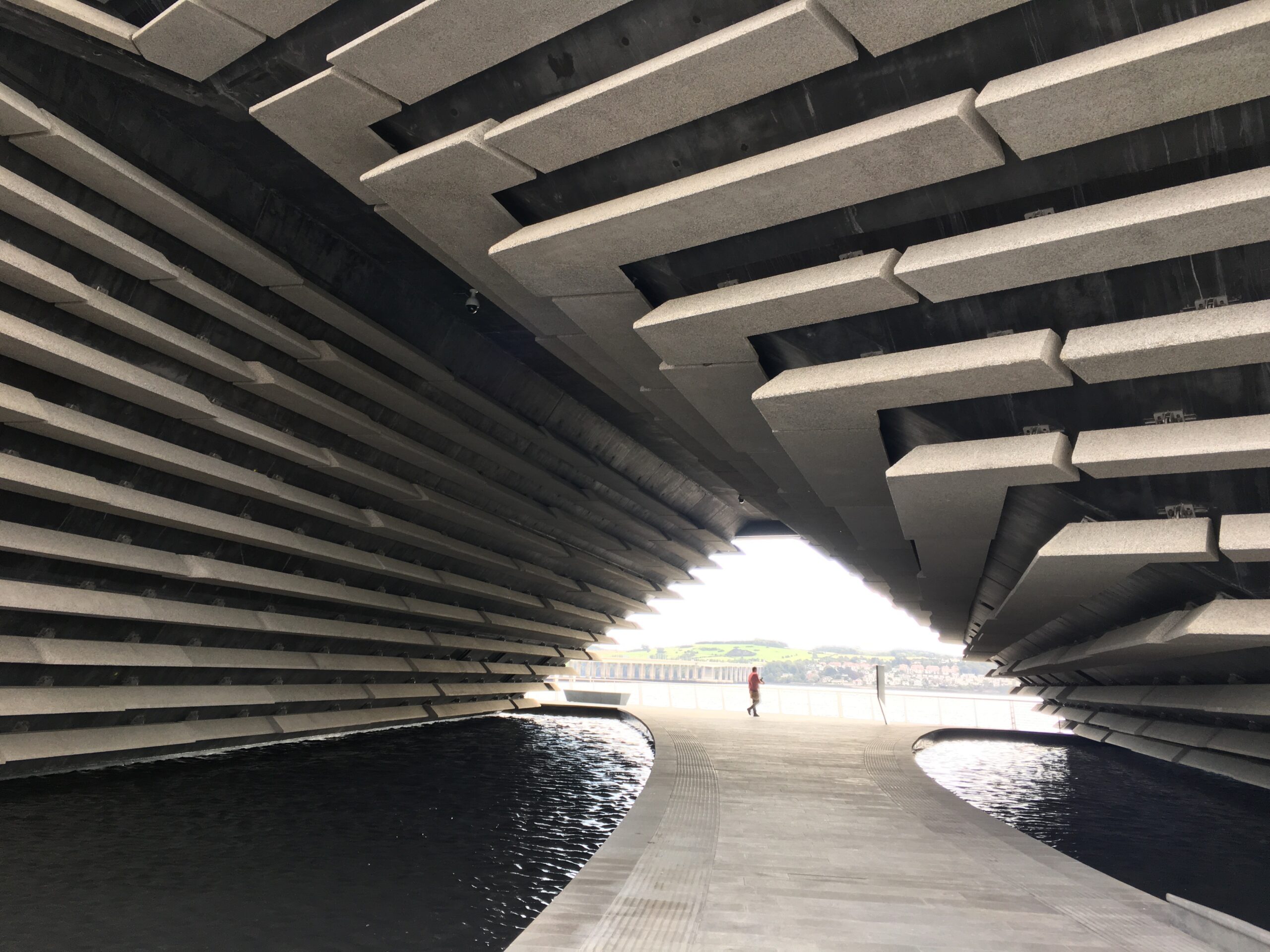
I covered the opening of V&A Dundee, witnessed the fireworks and the music and dance spectacular, and even interviewed the architect responsible for the building, Kengo Kuma.
On the night of the opening, various politicians – mostly of the SNP persuasion – were only too happy to talk about how the V&A would transform Dundee, how it would bring in tourists and new businesses and help the city’s economic development, perhaps bringing back a taste of its former glory days of Jute, Jam and Journalism.
Sure there are flashy new hotels, a new train station and a new road system that’s every bit as god-awful as the old one.
As far as I can see, Dundee is still one of the most deprived areas in Scotland, and its politicians appear to be doing nothing much to combat it.
Alex Salmond says Alba membership has risen after SNP leadership election
Nothing much to add to what I said before, but here’s something you won’t read in the MSM – what Alex Salmond is telling members of Alba, the new party he leads:
“At the start of this week I offered my congratulations to Humza Yousaf on his election as SNP leader and Scotland’s new First Minister.
It is now in the best interests of all the people of Scotland that he sets about restoring the Scottish Government’s reputation for competent Government. It was a hard won reputation, and sadly one which has been dissipated in recent years.
In the phrase which made the SNP leadership election campaign, “continuity won’t cut it”. It’s clear that people across the independence movement agree, and as a result we have welcomed hundreds of new members to ALBA, just over the past few days.
Therefore to all of our new members and to every single party member, thank you for your support.
 As the new First Minister focuses on regaining the trust of the people in the delivery of our public services, the constitutional issue must not be kicked into the long grass yet again.
It is a false choice between campaigning for independence or governing well. The SNP governments which I led did both. That’s why the people of Scotland put their trust in the Scottish Government and it was that overwhelming support of the people that allowed us to bend Westminster to the will of Scotland to deliver an independence referendum in 2014.
Scotland is an energy rich nation but our people can’t afford to heat their homes. That’s the sort of issue that Humza Yousaf should be facing down Westminster over, not unpopular policies grafted onto the independence movement by the Green Party. Much less time should be spent pursuing self-identification and much more time spent on the achievement of self-determination. The people of Scotland have voted in election after election for Scotland to have a choice on its own future.
Humza Yousaf’s first serious initiative as First Minister should be to back the calls of other independence supporting parties and organisations and convene an Independence Convention. Indeed Kate Forbes and Ash Regan, who between them secured a majority votes, both backed this proposal during the leadership contest.”
Humza Yousaf’s kitchen cabinet signals more of the same from the SNP
SO it’s all over now, bar the shouting – the new SNP leader has been installed and he’s surrounded himself with a cabinet that wouldn’t be out of place in an old kitchen.
I’m not a fan of Humza Yousaf. I’ve always reckoned he thinks too much of himself, which was o bvious during the leadership hustings. I thought it hilarious when Kate Forbes put him very firmly in his place during one of their debates, trashing his record in every government job he’s held.
She was correct there – can you imaging anybody in the private sector employing someone who had failed so abysmally in all their most recent jobs?
But he bounced back from that to win the race and pledged to reunite his party, which appeared more divided than ever after years of work by Nicola Sturgeon and her acolytes keeping their disagreements and splits well out of the public eye.
He was seen as the continuity candidate (ie more of the same) and we saw that with his cabinet of six women and three men – mainly allies of Nicola, including her close pal Shona Robison.
I do wonder what the new minister for independence, Jamie Hepburn, will do to justify his salary of up to £98,000 given the SNP’s total inertia on the issue since they came to power.
No wonder he’s smiling so heartily in every pic I’ve seen of him!
One thing Yousaf has not done is live up to the crap he spouted during pre- and post-election interviews regarding his contenders for the top job (keep your friends close and your enemies closer).
OK, he made Kate Forbes an offer she could quite easily (and did) refuse, apparently thinking that because she has a rural seat that she’d welcome a demotion to the rural affairs brief.
No chance!
What about his other rival for the leadership, Ash Regan? I don’t know if the new FM sees her as a particular threat, but in the latter days of the campaign there certainly appeared to be a groundswell of support for her as Yousaf and Forbes went for each other’s throats.
I’ve made no secret of my view that had I been a member of the party I would have voted for and probably campaigned for Ash, but I’m not so I didn’t.
I am surprised at Yousaf’s choice for energy minister – the potty-mouthed Aberdeenshire East MSP Gillian Martin – who apparently will never stop apologising: https://news.stv.tv/scotland/humza-yousaf-criticised-for-making-gillian-martin-minister-after-offensive-jokes-about-trans-and-black-people
That’s one that will come back to haunt him.
Pip pip.
How ‘fixed’ is SNP leadership contest?
via Substack
SO, Nicola Sturgeon has called it a day as Scotland’s First Minister and leader of the SNP and I’m sure that Gordon Wilson – the late party leader – must be birlin’ in his grave at the miles of worldwide newspaper coverage and hours of and broadcast news about it.
I’ll run through the leadership contenders shortly. For the moment though let’s look at Nicola’s legacy – and what has driven the deep divisions in the party.
Nicola always appeared to be a decent FM who managed to get things done eventually, but the incestuous and autocratic running of the SNP was not a good look and was always going to backfire on her and her husband and party chief executive Peter Morrell.
This isn’t the place to talk about his £107,600 ‘loan’ to the party, which Nicola claimed to know nothing about. Instead, consider where we are now as we wait for the dwindling number of SNP faithful to cast their votes for the next person to occupy the hot seat.
Neither Kate Forbes nor Humza Yousaf would get my vote were I still a party member, and for different reasons.
I think Kate has done a sterling job with the finance brief, especially after stepping to deliver a budget at such short notice after Derek Mackay’s departure, and she has been relatively competent in the role since.
But – and it’s a BIG but – her remarks on gay marriage and people having children outside of marriage were something else.
Her church, the fundamentalist Free Church of Scotland, sprang to her defence accusing her detractors of “a level of bigotry” that had no place in society.
Of course, Ms Forbes is entitled to her beliefs, but I can’t understand why, after she admitted “tiptoeing” around them on other occasions, she decided to air them in a series of interviews which, I think, highlighted her naivety, as well as losing her some major political supporters.
Then we have Humza Yousaf reckoning that he is the man for the jobs. In every interview he does he touts his “experience in office” – but this is a man who has made a dog’s breakfast of almost every senior ScotGov position he’s held.
He started in Alex Salmond’s administration as external affairs and international development minister. Then, under Nicola’s reign he went to: Transport (remember the horrifically expensive and continuing ferries debacle and the delayed dualling of Scotland’s most dangerous road the A9); Justice (the controversial Hate Crime Bill which critics said stifled free speech); and Health (blaming the pandemic for everything he got wrong – NHS performance and A & E waiting times among them).
That is not an exhaustive list, but if he had failed so abysmally out in the real world he’d be unemployable.
So, with two Sturgeon loyalists leading the field (allegedly) that brings us on to the third – and many say the best – candidate, Ash Regan, who held the community safety brief before she quit government over the gender reform legislation Nicola and her squad were determined to railroad through the Scottish parliament.
In my book she gets five stars for stepping away from something who has torn the SNP apart, wasted parliamentary time and detracted from the main purpose of the party – to secure independence for Scotland.
Regan was elected to Holyrood in the 2016 election when she saw off the then-Labour leader Kezia Dugdale with a majority of over 5000.
Before Holyrood, she worked in marketing and PR, studied international relations, worked as head of campaigns and advocacy at the Common Weal (think-and-do tank) and joined the national committee of Women for Independence (WfI) in 2014 – when she also (post-referendum) joined the SNP.
She has said she will “re-invigorate” the SNP, which had “dismantled” the Yes movement since 2014; she has pledged more power to members and will return the indy movement “back to the people” and focus more on the cause – which all sounds good to me.
She told The Herald in an interview ahead of her campaign launch that the wider Yes movement had become “marginalised” in recent years and that if elected, she intended to change that.
Regan said: “As a party, I don’t think we’ve listened enough to the groups who got us here. I know these people because I campaigned side-by-side with them throughout the first referendum.
“The party has effectively dismantled the Yes campaign, but I want to re-constitute it once more.
“It’s also important that we get on with the business of governing on the day-to-day issues affecting all of the people of Scotland. And, as much as possible, allow some of the groups who did amazing work for the Yes cause in 2013 and 2014 to do what they did so well back then. I want to get the band back together, if you like.”
In a world where the SNP establishment hadn’t stitched everything up, Ash Regan would be a shoo-in to the leadership and FM post, but sadly that will only happen if SNP members take a look around them and see what’s happened to their once principled party.
Shortly before he died Gordon Wilson told me the SNP had to learn how to cope with the mass influx of members who signed up to the party after the 2014 referendum. He recalled a surge of membership during his leadership – “nothing like as huge as this time, but still too many for us to cope with” – and how the leadership didn’t know how to handle it. He said the proper way to do it would be to embrace the wider Yes movement and bring them into the fold. Give that success pro-indy demonstrations since then – organised by the movement instead of a party allegedly supporting the cause – have been massive, he wasn’t far off the mark.
This is exactly what Ash Regan wants to do as SNP leader and I think she’d make a superb leader because she is willing to embrace EVERYONE who wants independence and not simply the SNP few.
In his second volume of The Battle for Independence, Wilson said: “The independence referendum has place Scotland on the world map … brought Scotland out of the shadows only to disclose an invincible ignorance as the campaign developed.”
Sturgeon’s resignation, as I said earlier, made headlines around the world.
Let us hope her successor can keep our country in the news – and for all the right reasons.

What next for Dundee’s Three Js as D C Thomson cuts hundreds of jobs?
I was as shocked as anybody at news that D C Thomson, the company that put the third ‘J’ in Dundee’s 3Js is cutting 300 jobs from its workforce of 1600 – a total that’s shrunk by over 500 since 2016.
From its newspapers such as the Courier, Evening Telegraph, Press and Journal, The Sunday Post and People’s Friend, to the UK’s longest running comic, The Beano, everyone in Scotland has come across DCT in their lifetime.
The notoriously private family firm is axing around 40 publications and will close its operation in Colchester – Aceville Publications – which publishes over 20 magazines from the 50 or so DCT acquired in 2018.
How did it come to the point where a stalwart of Scotland’s newspaper and magazine publishing sector – as well as the relatively recent addition of commercial radio to its portfolio – can deliver such devastating news?
DCT has always been cautious when planning ahead. Moving into radio and taking on Wave in Dundee, Kingdom FM in Fife and Original 106 in Aberdeen was a brave move, but not an ultimately fatal one.
Management at DCT are now planning a digital reset as more and more publications go online, where they are likely to stay.
It’s a great shame that one of the biggest names in Scottish newspapers and journalism should stumble over a digital hurdle.
I will always remember the day I stepped into the magnificent, red sandstone-clad building in Meadowside, Dundee for my first day at work there.
From a uniformed doorman at the main office of the Courier Building, to the rumble of the presses underneath and the hissing of the compressed air system that sped messages between Meadowside and the Bank Street offices and press hall, I was an awe-struck young man.
A reporter came down to meet me and guided me into the lift that trundled us to the fourth floor. I had been there before for an interview with a stern-looking relic with a grey, handlebar moustache who had demanded to know what my religion was, but this was different – I was about to start work in a place whose training had help journalists secure placements in national publications and further afield in print and in broadcasting.
I made many friends at DCT, but a number of them are unfortunately long gone. I did my fair share of council meetings, district, sheriff and high courts, all helped by DCT’s in-house shorthand classes.
The company knew what it wanted from its reporters and its training ensured that they were fit for the job, either in Dundee, one of the many branch offices, or at other newspapers.
I only stayed at DCT for a few years before spreading my wings and departing Clootie City for pastures new, but I treasure my memories of the time and the people.
Every time I am back in the city I like to walk around just to see the New York Times-inspired Courier Building dominating the town centre.
I am sure DCT will survive this “blip” and welcome many more generations of young hopefuls into Meadowside’s hallowed halls.
Picture Copyright 2017 Laerol. First publication through Wikimedia Commons (CC-BY-SA-4.0 license).